
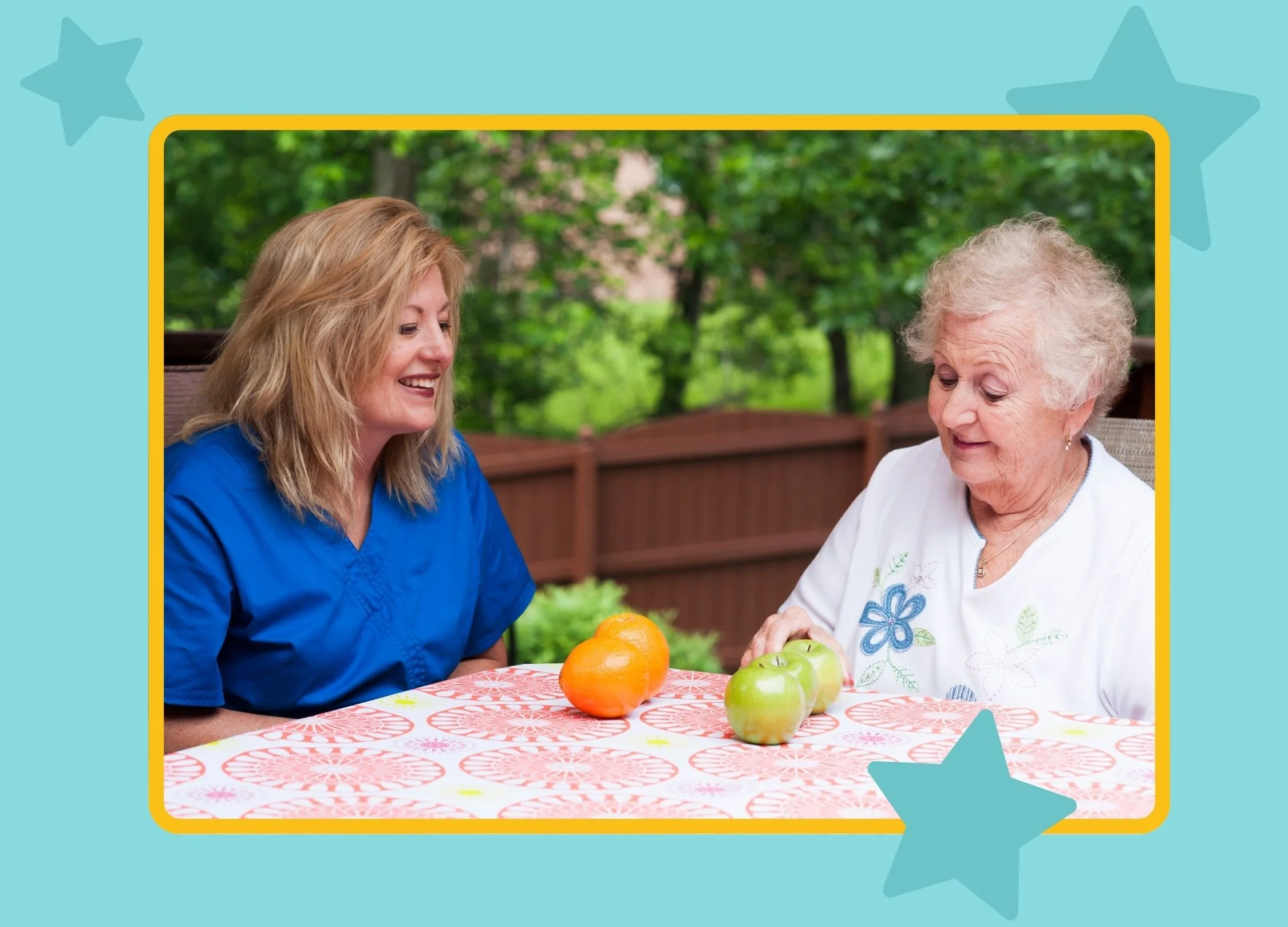
Understanding Aphasia in Adults
Aphasia is an acquired neurogenic language disorder caused by damage to the brain, most commonly to the left hemisphere where the language centres are located.
Aphasia is most common following a stroke. Damage to specific areas of the brain can affect:
Speaking
Understanding spoken language
Writing
Understanding written language
There are different subtypes of aphasia, which describe different combinations of language difficulties. Aphasia can also occur because of neurodegenerative diseases such as Primary Progressive Aphasia (PPA), a type of frontotemporal dementia that can worsen over time.
Aphasia is commonly understood as either fluent or non-fluent.
With fluent aphasia, a person may appear to speak fluently, but their words may not make sense or may sound like gibberish. They may also have difficulty understanding spoken language, particularly in noisy environments.
With non-fluent aphasia, a person may understand much of what is said to them but struggle to produce speech. Speech may sound slow, effortful, or limited to short phrases. People with non-fluent aphasia are often aware of their difficulties and may become frustrated or upset by the impact this has on communication.
Aphasia and Communication
Aphasia can make everyday communication challenging and frustrating. Simple interactions such as ordering food, answering questions, reading menus, or participating in conversations can become difficult.
Helpful communication strategies may include:
Using short, simple sentences
Allowing extra time for responses
Reducing background noise and distractions
Using gestures, visuals, photos, or objects to support communication
Using aphasia-friendly written information with large font, high contrast, and clear formatting
How Speech and Language Therapy Can Help
Speech and language therapy plays a vital role in supporting people with Aphasia. We work closely with families and other professionals to support communication across all areas of life.
Therapy may include:
Tailored Augmentative and Alternative Communication (AAC) tools
Training and advice for communication partners
Semantic Feature Analysis (SFA)
Verb Network Strengthening Treatment (VNeST)
Oral Reading for Language in Aphasia (ORLA)
Melodic Intonation Therapy
Roleplay for functional social situations
Development of aphasia-friendly resources
Support with social participation and confidence
Group opportunities such as book clubs or social participation groups
How Can We Help?
Our team provides personalised assessment and therapy programmes designed around each individual’s communication goals and priorities. Whether you would like to book an assessment, discuss therapy options, or speak with a member of our clinical team, we are happy to help.
Next steps
Start with an enquiry — we’ll guide you from there.
Option 1: Submit an enquiry
➡️ Complete our New Client Form and a member of our team will be in touch with next steps.
Option 2: Get in touch with any questions you may have - we’re here to help!
📞 01908 614 479
✉️ enquiries@magicwordstherapy.co.uk
📍 Looking for your nearest clinic?
We have 7 conveniently located clinics across the UK. We also offer online therapy wherever you are, whenever you need it!

