

Understanding ADHD in Adults
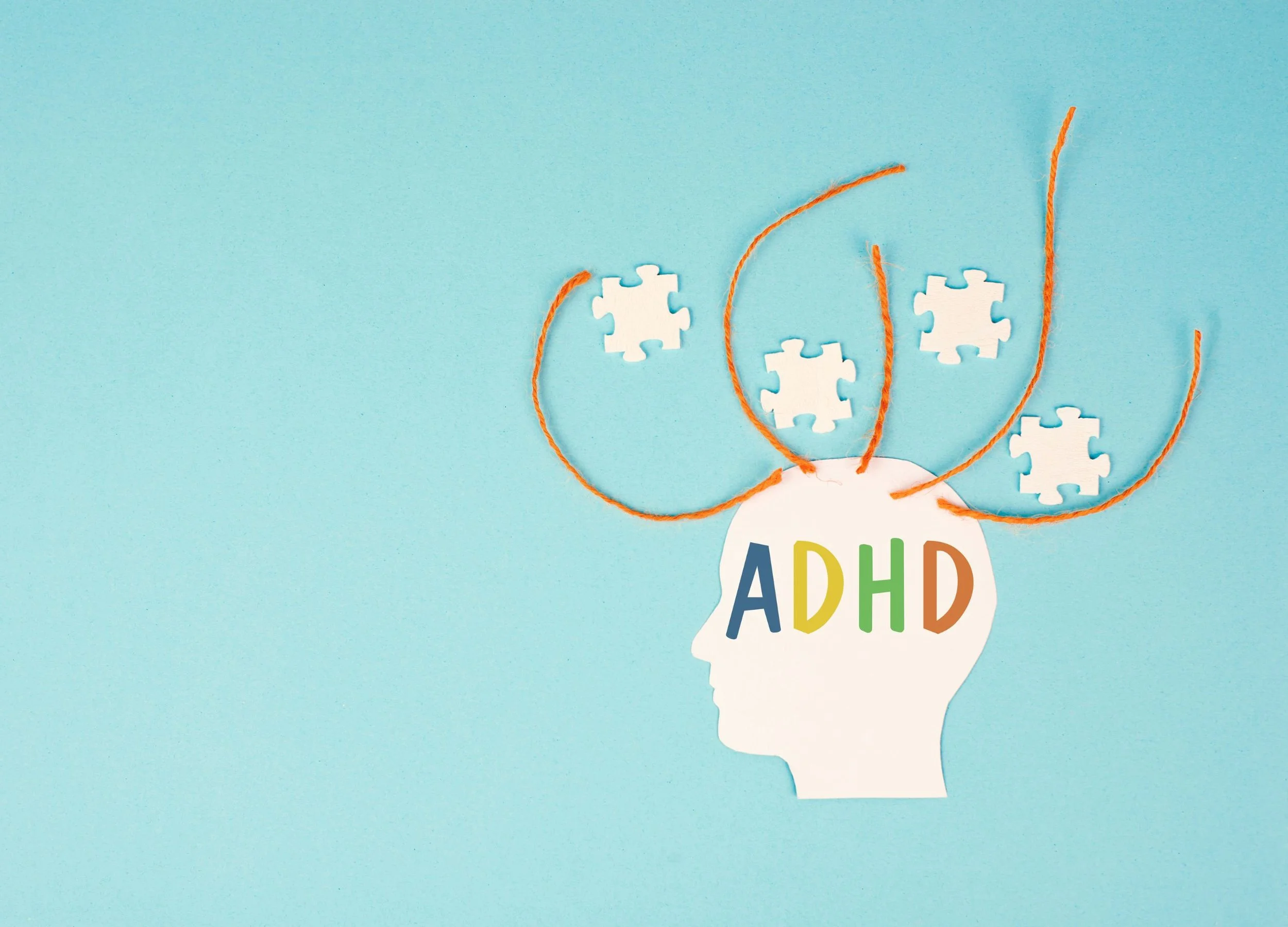
Attention Deficit Hyperactivity Disorder (ADHD) is a condition that can continue into adulthood. The National Institute for Health and Care Excellence estimates the prevalence of ADHD in adults in the UK to be between 3% and 4%, although this number may be higher as many people remain undiagnosed.
When we talk about characteristics in adults with ADHD, these can differ from how they present in young children. Common characteristics in adults can include:
Inattention (e.g., difficulty staying focused, difficulty with organisation, forgetfulness)
Impulsivity (e.g., making decisions quickly without thinking, interrupting others while speaking)
Hyperactivity (e.g., feeling restless or having trouble relaxing)
ADHD is often misdiagnosed or overlooked in adults, as symptoms can sometimes be mistaken for anxiety, depression, laziness, or procrastination. It is estimated that nearly 2 million people in the UK may have undiagnosed ADHD.
Adults with ADHD may experience difficulties with work, relationships, and daily responsibilities. They might struggle to meet deadlines, maintain attention in meetings, or manage responsibilities, which can sometimes lead to job instability or challenges within relationships.
Adults with ADHD also often present with unique strengths, including problem-solving skills, creativity, and the ability to think differently and innovatively. These strengths can be hugely beneficial within work environments and creative fields.
ADHD can often be managed through a combination of treatment, therapy, and/or medication to help relieve symptoms and support adults in their day-to-day lives.
ADHD and Communication
Some adults with ADHD may speak at a fast rate, which can make it difficult for listeners to keep up with conversations and may lead to conversational breakdowns. Adults with ADHD may also switch quickly between topics, making it harder for conversation partners to engage.
Many adults with ADHD can also find organising and expressing their thoughts challenging. This can sometimes lead to frustration and misunderstandings, particularly in workplaces where clear communication is important.
Individuals with ADHD may interrupt or speak out of turn during conversations, particularly in group discussions. Others may perceive this as impulsive or rude, even when this is not the person’s intention.
ADHD can also present with auditory processing and understanding differences. Many individuals with ADHD find it difficult to follow long, indirect, or complex instructions, or to maintain attention during lengthy conversations. These differences may impact both personal and professional relationships.
How Speech and Language Therapy Can Help
We assess each person’s needs holistically and design treatment plans around their unique goals, aspirations, and expectations.
Speech and language therapy may support adults with ADHD by:
Helping individuals better understand themselves and how they communicate and interact with the world, including understanding different communication paces and conversation styles
Supporting the organisation of thoughts and clear expression across social, personal, and workplace settings
Developing strategies to support understanding of longer instructions and conversations
Supporting self-advocacy skills across different situations and environments
Improving language processing, working memory, and problem-solving skills
Supporting organisation and sequencing of information and narrative skills
Developing self-monitoring skills to better understand communication style and conversational impact
Supporting conversation turn-taking and reducing interruptions or conversational dominance
Promoting self-esteem and confidence in communication
How Can We Help?
If you have ADHD and would like to learn more about how we can help, our experienced team is here to support you. Whether you would like to book an assessment, discuss therapy options, or speak with a member of our clinical team, we are happy to help.
Next steps
Start with an enquiry — we’ll guide you from there.
Option 1: Submit an enquiry
➡️ Complete our New Client Form and a member of our team will be in touch with next steps.
Option 2: Get in touch with any questions you may have - we’re here to help!
📞 01908 614 479
✉️ enquiries@magicwordstherapy.co.uk
📍 Looking for your nearest clinic?
We have 7 conveniently located clinics across the UK. We also offer online therapy wherever you are, whenever you need it!

