Written by: Lucy Freeman (Speech & Language Therapy Assistant Practitioner at our St Albans Clinic).
Starting Fresh in 2026: Gentle Tips for Easing Back into a Routine
Reconnecting with routine after the holidays
Many children-especially those with communication differences, sensory needs, or anxiety feel more settled when routines are predictable.
As the holidays come to an end and life begins to return to normal, many families notice a wobble in routines, attention, and communication skills. This is completely expected. The holiday period brings excitement, late nights, social demands, and a break from structure — all of which can make January feel like a big adjustment.
The good news? You don’t need a dramatic “new year, new you” plan. Small, predictable steps can make the biggest difference. Here are some gentle, realistic ways to support your child as we step into 2026.
Why January Feels Hard for Many Children
During the holidays, families naturally shift away from the usual routine — and children with communication differences, sensory needs, or anxiety often feel this change more intensely. Remember, that’s okay: January is a transition month, so it’s important to approach it with a sense of compassion and calm.
Common challenges at the start of January include:
Struggling to re-settle into school routines
Increased tiredness or overwhelm
Reduced attention or listening
Feeling unsure about expectations

Quick Wins for Re-Establishing Routine
You don’t need a full overhaul — predictable, consistent support can help your child feel steady again. Try:
Reintroducing visual timetables or simple schedules
Using “first… then…” language to make expectations clear
Practising the morning routine the night before
Keeping transitions slow and simple
Celebrating tiny wins to build confidence
Five-Minute Therapy Ideas for Busy Families
At-home practice doesn’t need to be long or formal. Even if you only have five minutes, two or three times a week, that’s more than enough. These small moments add up:
Describe items while doing chores: “This one is heavy and shiny…”
Pause and wait during conversations to encourage turn-taking
Ask one WH-question in the car or on a walk
Spot emotions, motives, or predictions in TV shows
Look at pictures together and practise key vocabulary

Reviewing Your Child’s Targets for 2026
The start of a new year is a great time to gently check in with your child’s current goals. Try reviewing the following questions and then choose one main priority for January. Keeping the focus narrow helps reduce pressure for both the child and the adults supporting them.
What’s going well?
What feels harder now?
Are there any new challenges after the holidays?
Starting Fresh in 2026 – Setting Intentions for the New Year
Why set ‘intentions’ instead of ‘resolutions’?
Resolutions can feel overwhelming, or ‘all or nothing’. Intentions, on the other hand, encourage progress, reflection and flexibility. This helps to remove pressure for everyone involved. Here are a few examples:
‘We're going to keep practising these skills in small bursts’
‘We’re focusing on connection before correction’
‘We’ll celebrate every tiny win’
A Calm, Connected Start to 2026
Children don’t need a complete reset — they need reassurance, predictability, and a supportive environment where communication feels safe and achievable. If your child finds January tricky, you’re not alone. You’re doing an amazing job, and every small, consistent step you take is helping them build confidence for the months ahead.

Social story for early years / younger children

Going Back to School
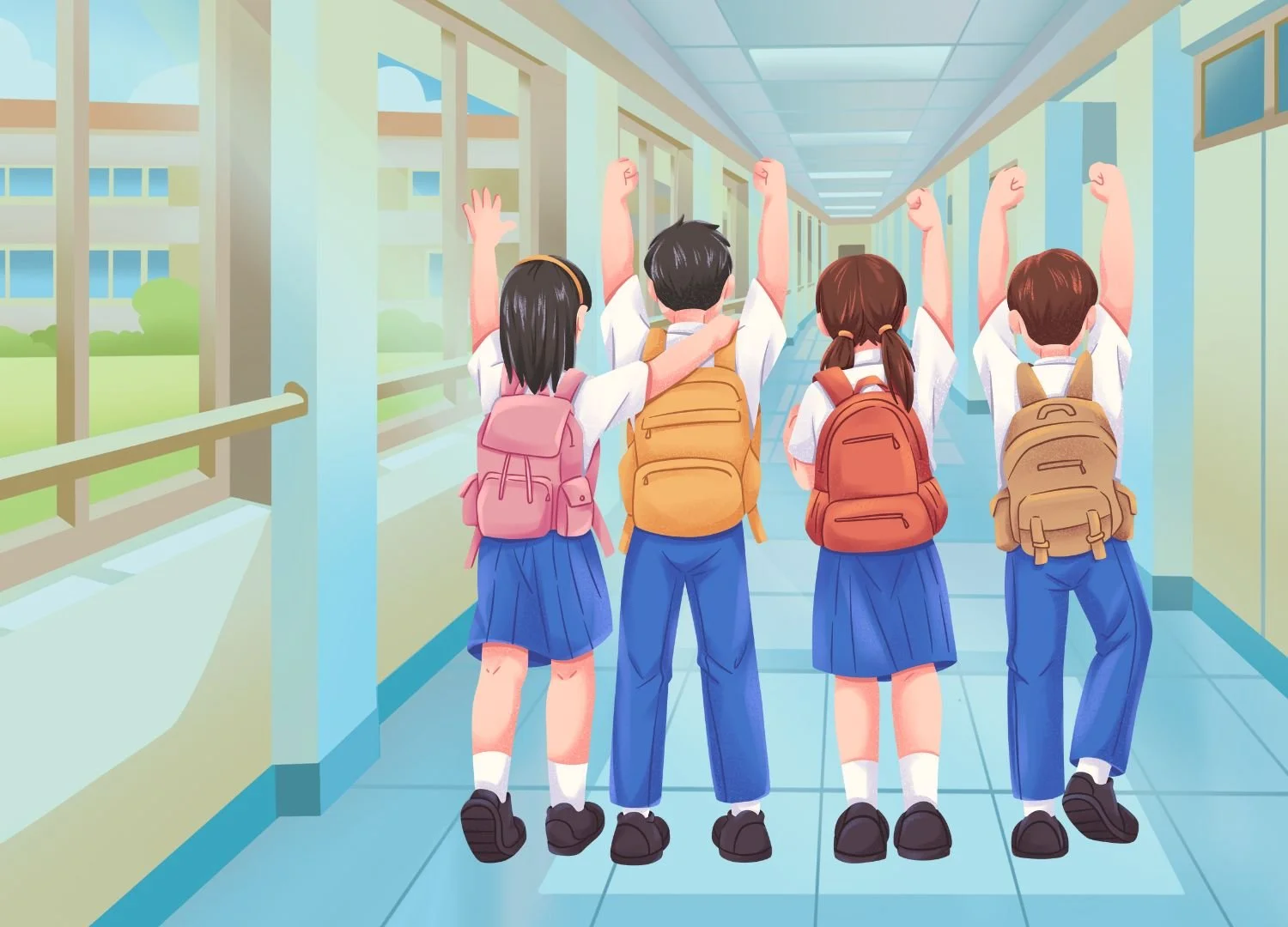
After the holidays, going back to school can feel a bit different. I might feel happy, excited, worried, or tired.
That’s okay.
My teachers will help me.
My routine will come back.
I can use my visuals and ask for help.
Each day will feel a little easier.
I am doing great.
Social story for older learners / teens

Back to School After the Holidays
Coming back after the holidays can feel strange at first.
My routine has been different, and my brain and body might need a bit of time to settle again. That’s completely normal.
I might feel a mix of things — tired, nervous, excited, or unsure. None of these feelings are wrong.
Little by little, school will start to feel familiar again. I can use strategies that help me, like checking my timetable, taking short breaks, asking questions, or planning my day.
I don’t need to rush. I can ease back into things, one step at a time.
I’m capable, I’m learning, and I can handle this new start.
Ready to kickstart 2026 with speech and language therapy support? We’re here to help!
Book a free screening call to chat to a member of the team about our therapy and if it’s right for you. We aim to get in touch within a week.
To begin therapy, fill out the form below and we will be in touch with a welcome pack and more information about booking in your initial assessment.