Social Story: Changes During Ramadan

Social Story: Changes During Ramadan

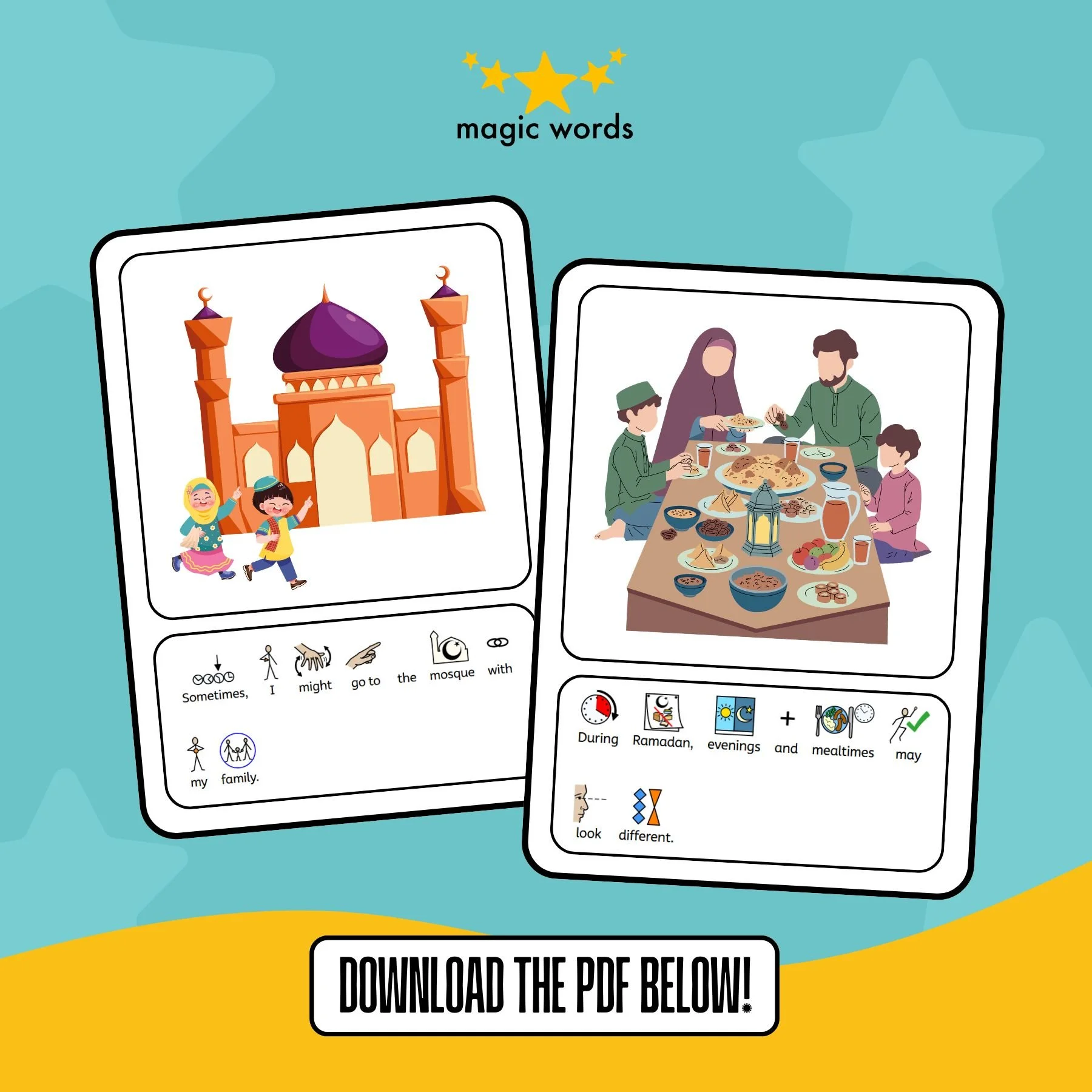
Imaan. M (Senior Speech and Language Therapist from our Archway clinic) created this free downloadable Social Story using Widgit that you can use with your child to help them better understand changes that may happen during Ramadan and how families do things a little bit differently throughout the holy month.

Through this social story, you and your child will get the opportunity to discuss the following topics:

  • Going to the mosque:
    Explaining that it may be busy or noisy, and that the child can take items such as a fidget toy, ear defenders, preferred activities or snacks, and that it’s okay to take breaks.

  • Having people over:
    This is a great opportunity to preparing your child for visitors, with reassurance that they can go to a quieter room, use ear defenders, or ask mum/dad for help if it feels overwhelming.

  • Changes in routine:
    Acknowledging that evenings and mealtimes may look different, like not eating or drinking during the way, while other parts of their routine may stay the same.

Communication Board & Top Tips for Ramadan 2026

Communication Board & Top Tips for Ramadan 2026

As the start of Ramadan fast approaches, Laura. B (Speech and Language Therapist Apprentice from our St Albans clinic) created this handy downloadable Widgit communication board that you can use to explore terms and vocabulary in both English and Arabic that you are likely to encounter during the holy month.

Laura also has 8 top tips to share for families, carers, teachers or anyone preparing to support those with speech, language and communication needs during the month of Ramadan.

1 - Support bilingual families meaningfully

Encourage the use of home language for cultural and religious concepts. Provide vocabulary lists or dual‑language resources where appropriate. Symbol software like Widgit has a dual language function but ensure that you check the translation with a native speaker.

2 - Work collaboratively with families and settings

Ask what Ramadan looks like for them, adapt supports to their traditions, and make sure communication strategies fit their daily realities. Consider timing changes for sessions if that is required.

3 - Prepare for changes in routine early

Use visual timetables, calendars or social stories to explain what Ramadan is and how routines will shift (meal times, prayer times, family gatherings).

4 - Introduce and teach key vocabulary in advance

Words like fasting, suhoor, iftar, mosque, Ramadan, sunrise, sunset, rest, tired can support understanding and expression. Using visuals (objects, pictures and words) can help with understanding.

5 - Support emotional understanding and expression

Fatigue may make regulating emotions harder. Provide tools such as feelings charts, symbols, or sentence starters (“I feel…”, “I need…”) to help with expressing emotions and spend time thinking of tools that may help them regulate, such as asking for a break.

6 - Consider energy levels when planning sessions

Be flexible with timings and expectations. Choose calmer, low‑demand tasks on days when the person may be more tired.

7 - Prepare AAC systems before Ramadan begins

Add relevant vocabulary, symbols or phrases so users can confidently communicate about fasting, food, family gatherings or rest needs.

8 - Think sensory and environmental adjustments

Ramadan often involves busier environments or late-night events. Support with sensory kits, predictable spaces, or preparation visuals.


On behalf of all of us here at Magic Words Therapy, we would like to wish our clients and community members who are celebrating Ramadan this year a truly peaceful month, filled with joy, good health, and prosperity.

Ramadan Kareem!

Holiday Gift Guide - SaLT Edition

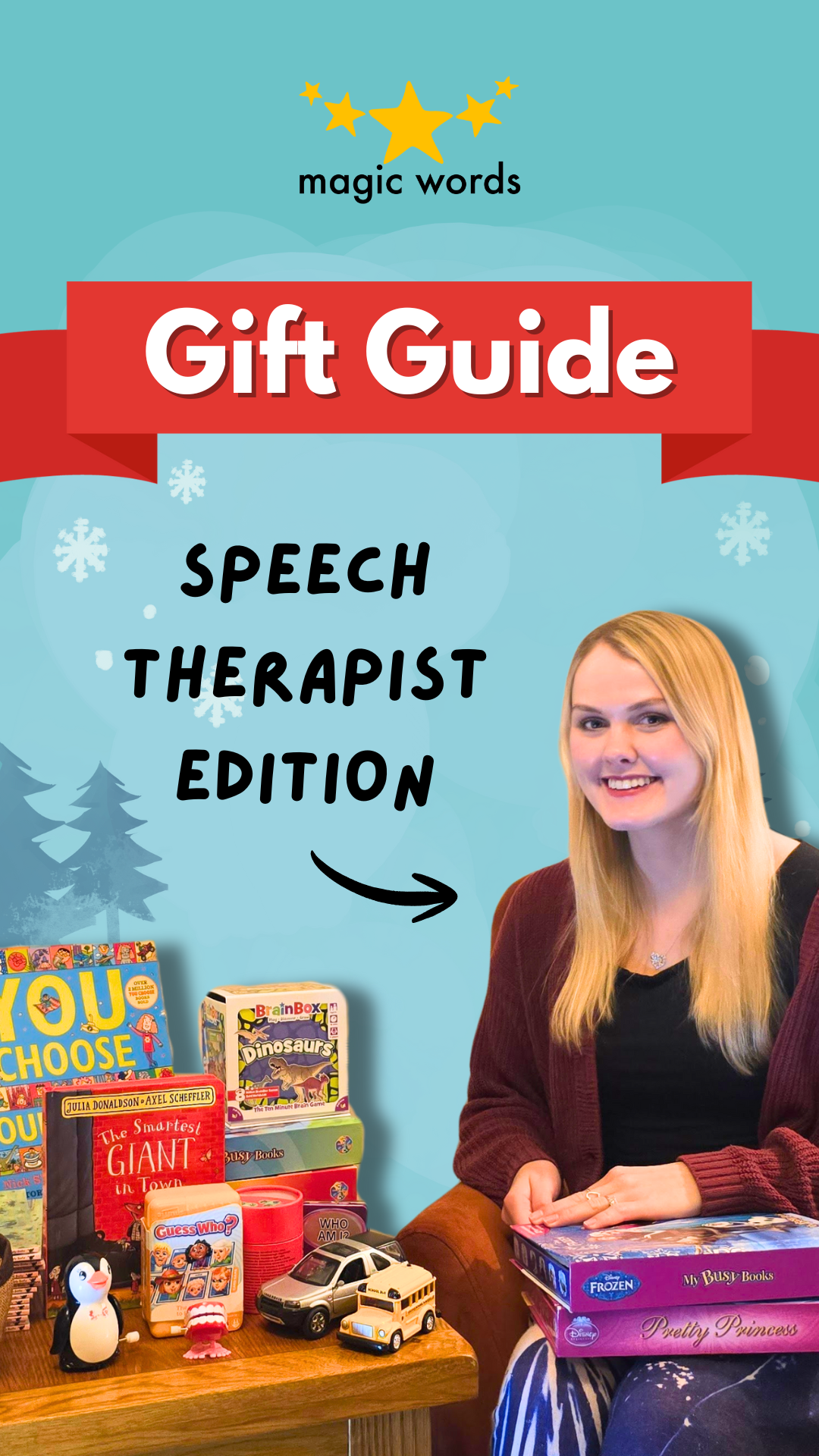
Holiday Gift Guide - Speech & Language Therapist Edition!

Featuring Nancy, Senior Speech & Language Therapist based at our Cambridge Clinic

Looking for fun, educational gift ideas for the holidays? Join Nancy from our Cambridge team as she walks you through a few of her personal recommendations that focus on supporting communication, interaction and play-based learning.

Bonfire Night Social Story

5 Top Tips and a Social Story for Bonfire Night!

We know Bonfire Night can be exciting - but it can also be overwhelming for some individuals who need a little extra support.

Here are our 5 top tips to help make the celebrations more enjoyable and comfortable for everyone!

We've made a free downloadable social story with Widgit symbols so you can prepare for the celebrations!

Summer Now and Next Board

Summer Now and Next Board

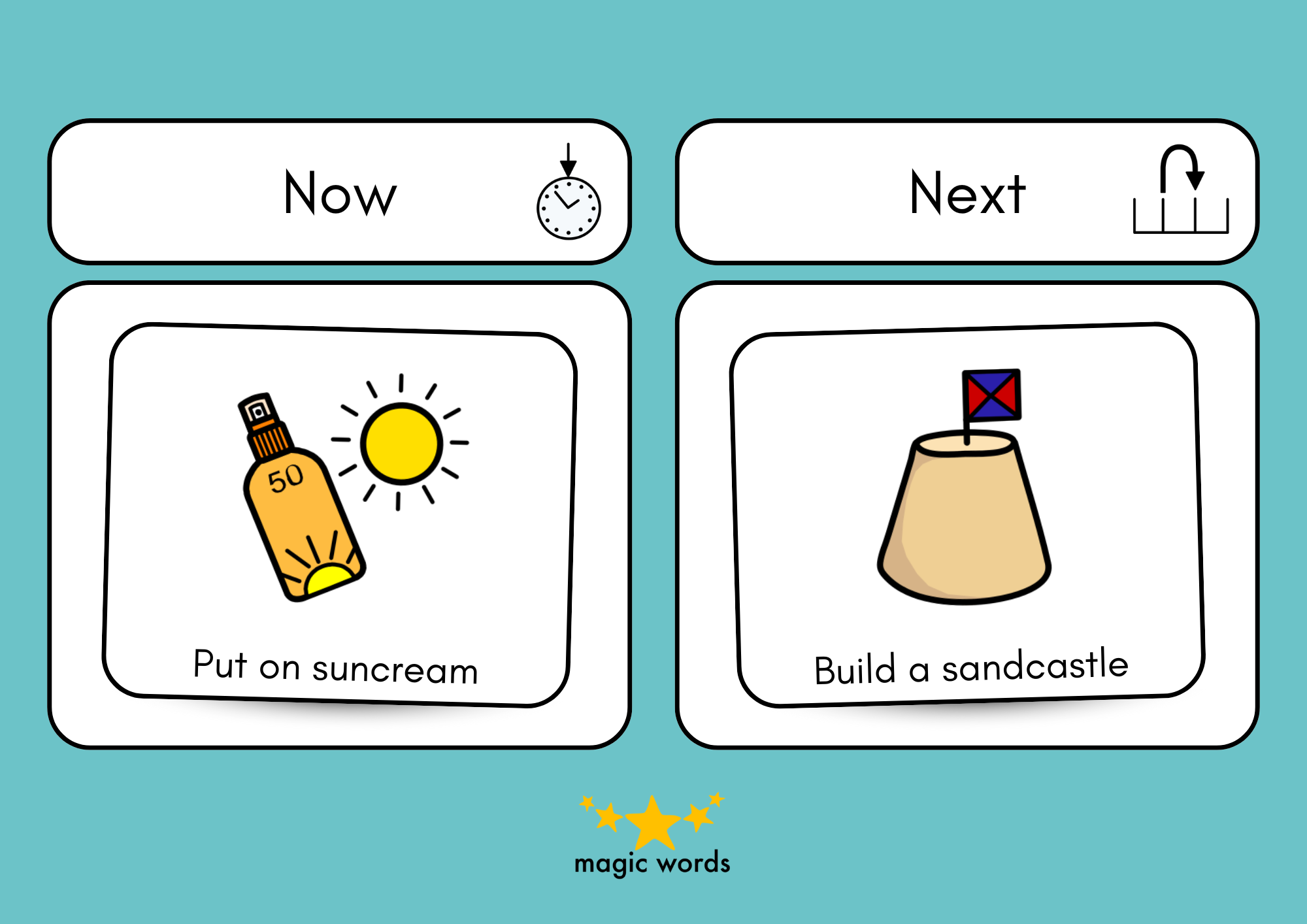
Does your child struggle with transitions? 'Now & Next' boards are a great visual aid to support understanding and transitioning from one activity to the next!

'Now & Next' boards can help to:

  • Reduce anxiety by creating predictability

  • Encourage smoother transitions between activities / tasks

  • Build routine and independence

Perfect for children with speech, language, or communication needs — but helpful for any child adjusting to change!

We've created a resource to use over the summer break, with a collection of activities for at home, on holiday and the daily routine. Print and cut out the pieces, and create your own activity cards too!

School Transition - Communication Boards

School Transition - Communication Boards

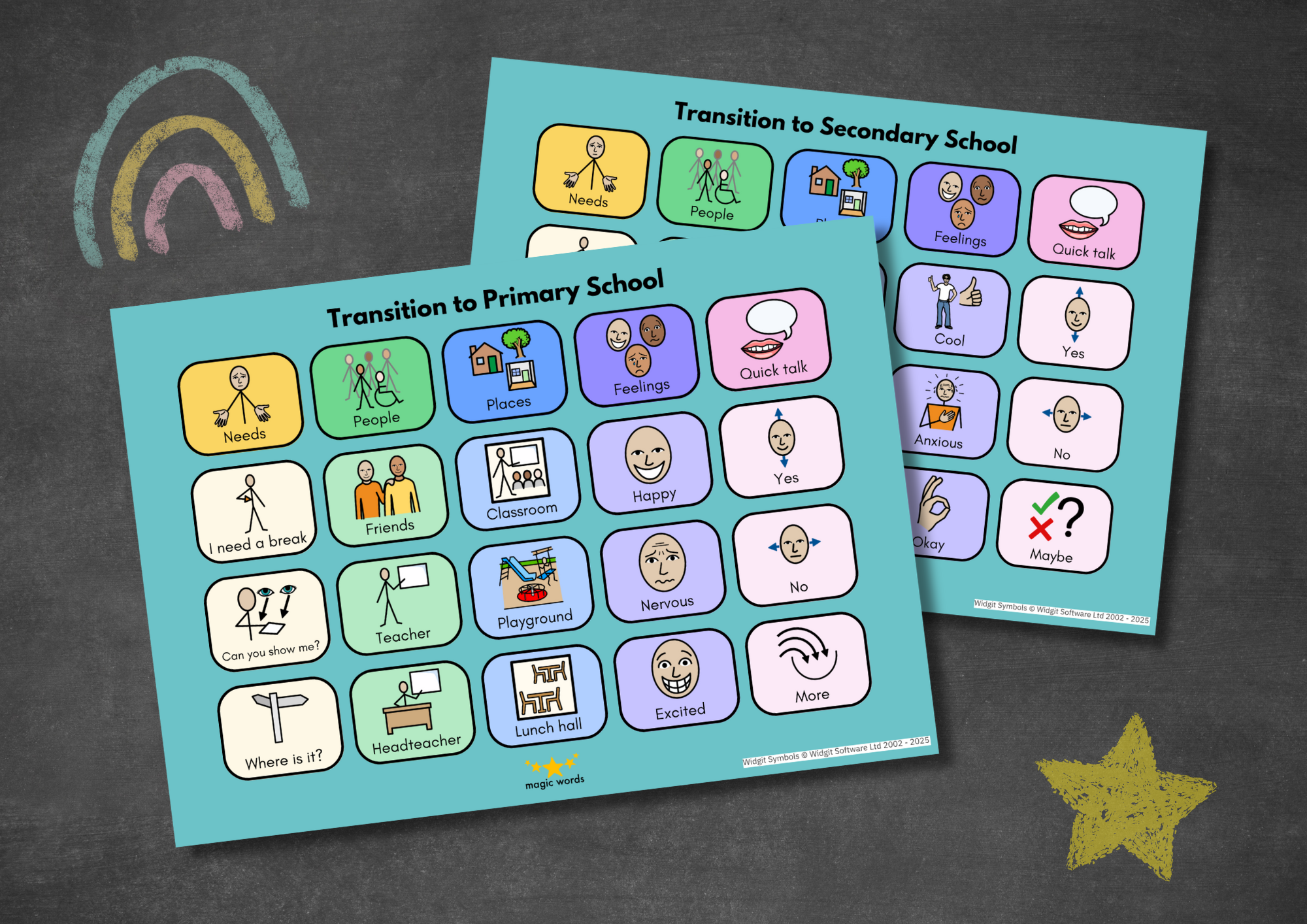
As we welcome the summer holidays, some individuals may find the transition from nursery to primary or primary to secondary a more difficult than others.

To prepare for September, we've made some communication boards with useful vocabulary to help navigate the change!

Summer Travel Tips!

Top Tips for Air Travel for those with Additional Needs

Kristie Davies, one of our brilliant SaLTAPs (Speech and Language Therapy Assistant Practitioner) has provided some brilliant insight into navigating air travel with her son, who has additional speech, language and communication needs.

“My son likes to interviews the pilot when we get on the plane. I make a point of asking the staff at the boarding gate about this and it has never been a problem. He asks them how long they have been flying for and if they are safe. He finds it really reassuring!”

“He also wears his sunflower lanyard so the staff know that he may find traveling tricky / to help make his journey through the airport easier. We’ve gone from my son literally screaming on take off to now actively looking forward to being on the plane!”

Kristie also shared her top tips for flying with an individual with SLCN:

  • Many airlines will reserve seats for a family together without extra expense if there is a disability.

  • Wearing a sunflower lanyard can let staff know they may be finding it tricky and make the journey through the airport easier.

  • Make sure tablets and phones are fully charged - you can't use a battery pack onboard the plane.

  • Noise cancelling headphones are great at reducing the aircraft noise.

  • Take surprise gifts that can be unwrapped at certain points of the flight. They don't have to be expensive, e.g. a favourite comic or packet of sweets.

  • Stay calm yourself - your young person will pick up on your stress. Treat the journey as part of your holiday!


Here are some useful resources you may find helpful:

British Airways Visual Guide

A step-by-step guide to the different parts of the flying experience, using simple icons and text to describe what passengers can expect.


Birmingham Airport’s Sky Zone

An interactive website with clickable pictures containing videos and audio content - a great way to learn all about the behind the scenes goings-on at an airport.


Heathrow’s Non-visible Disabilities Support

Heathrow offers free sunflower lanyards and sensory objects packs to support those who need extra support while travelling. They can be found at various locations in their terminals - show on an interactive map.


Gatwick’s Sensory Room

Gatwick’s North Terminal offers a sensory room, designed for passengers who will benefit from a safe and soothing space when in unfamiliar surroundings. There are two areas - a chill-out zone with bean bags and colourful displays, and an interactive zone featuring a range of sensory activities.

World Autism Acceptance Day 2025

World Autism Acceptance Day 2025

Autistic people may face different forms of societal discrimination and exclusion due to barriers and stigma.

Therefore, it is vital for the community to be able to access guidance, resources and opportunities to develop important skills, social groups and support networks.

We are choosing to celebrate today as World Autism Acceptance Day (rather than World Autism Awareness Month) in an effort to continue to 'Level UP' as an organisation from awareness to acceptance - and beyond! Learn more about how the brilliant autism advocacy group 'Autism Level UP!' are encouraging us all to see where we are and take the next step forward!


Here are some useful resources you may find helpful:


The National Autistic Society

Money raised will go towards supporting Autistic people and their families, such as providing social group networks, training in education and employment advice.

Designed for adults in the workplace, including a webinar giving an introduction to Autism inclusion at work, guidance to supporting colleagues and fundraising ideas.


Autism Education Trust

Supports staff confidence to foster student understanding, awareness and a sense of belonging for Autistic children and young people. Includes a handbook, lesson plans, student activities and more.


Twinkl

Aimed at teachers, tailored lesson plans can help support students to thrive in the classroom. Presentations for different age groups can help make schools safer for Autistic children and teens.

Ramadan Communication Board

Ramadan Mubarak!

To celebrate the start of Ramadan, our team created this downloadable PDF communication board that you can print from home with terms and vocabulary that you may encounter during the holy month.

We’ve also included a helpful glossary with definitions of few of the words that may be new to you and your family, friends and loved ones!

Colourful Semantics Farmyard Game

Colourful semantics farmyard game

Specialist Speech Therapist Eleanor found this holographic puzzle in Aldi that children on her caseload love to play.

“I’ve created a colourful semantics visual support pack to go with it with vocabulary and sentence strips.”

Feel free to download our Farmyard puzzle vocabulary cards and Early sentance structure resources!

20210223_174625.jpg
 

Valentine's day crafts

Make your own Valentine’s Day craft for your loved ones or favourite teachers!

Easy to make using our free downloads you and your child can create messy play and make a lovely gift at the same time.

Crafts make wonderful opportunities to allow children to ask for help, make requests, and use sounds and words for accomplishment. Also, they are simply fun!

Pancake Day recipe card

Speech Therapist Catherine created this symbol supported pancake recipe which can help your little ones break down and understand the instructions for how to make pancakes this pancake day, while at the same time building their vocabularies with new cooking and food words, concepts of time, space and quantity and useful verbs.

What’s your favourite topping?

Download our handy resources here:

 
pancakes-2372076_1280.jpg

Sammy the Squirrel feeder activity

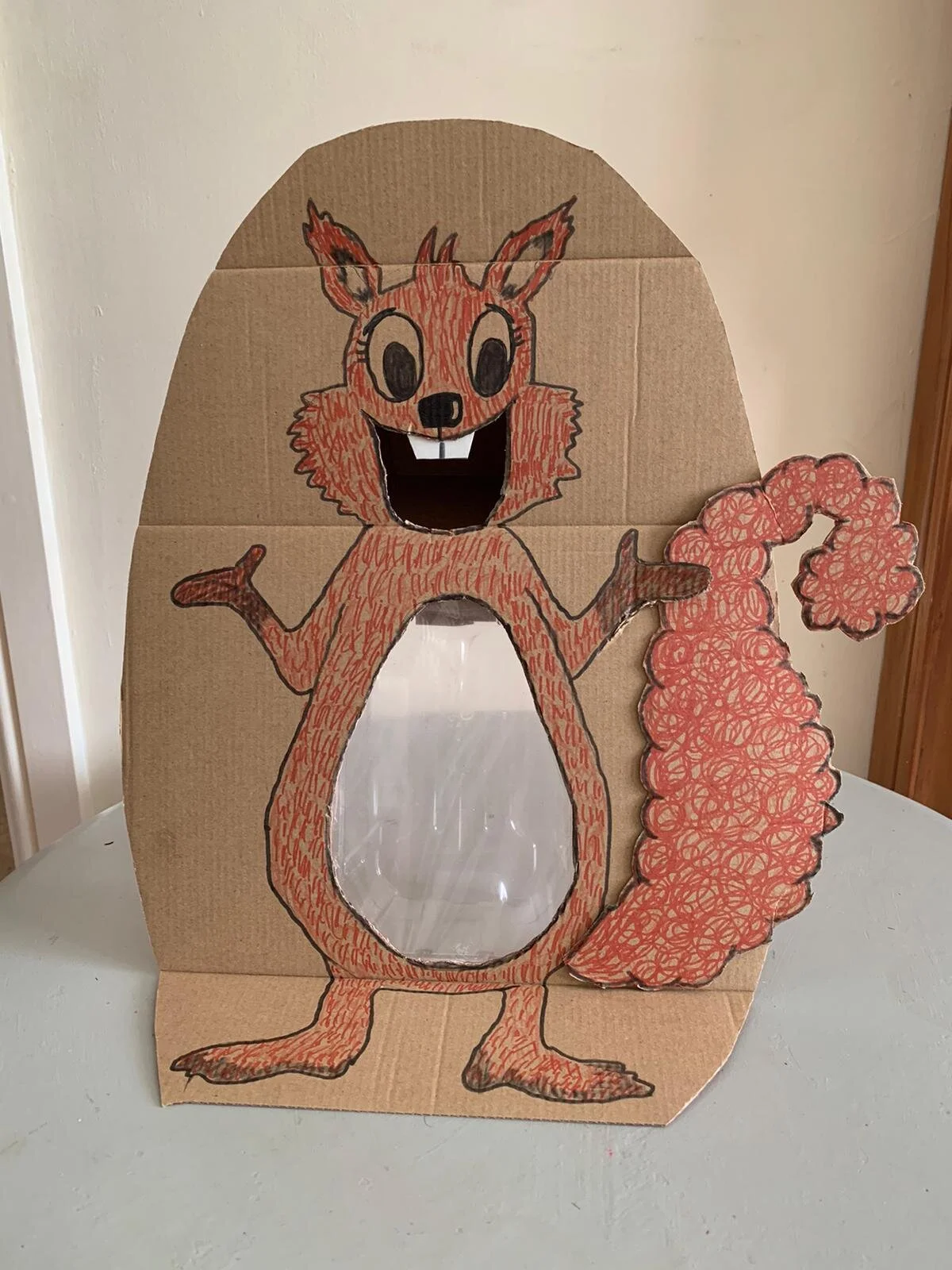
Meet Sammy the Squirrel!


We made this autumnal activity to help children "Feed" Sammy and count the conkers and pinecones, also a good excuse to get out for a lovely walk and find them first!
Design your own Sammy using cardboard, pens and plastic container at the back, click on the link to download your own Squirrel shape feeder!

IMG-20200930-WA0000.jpg

Make your own transparent face mask

EleanorMask.jpg

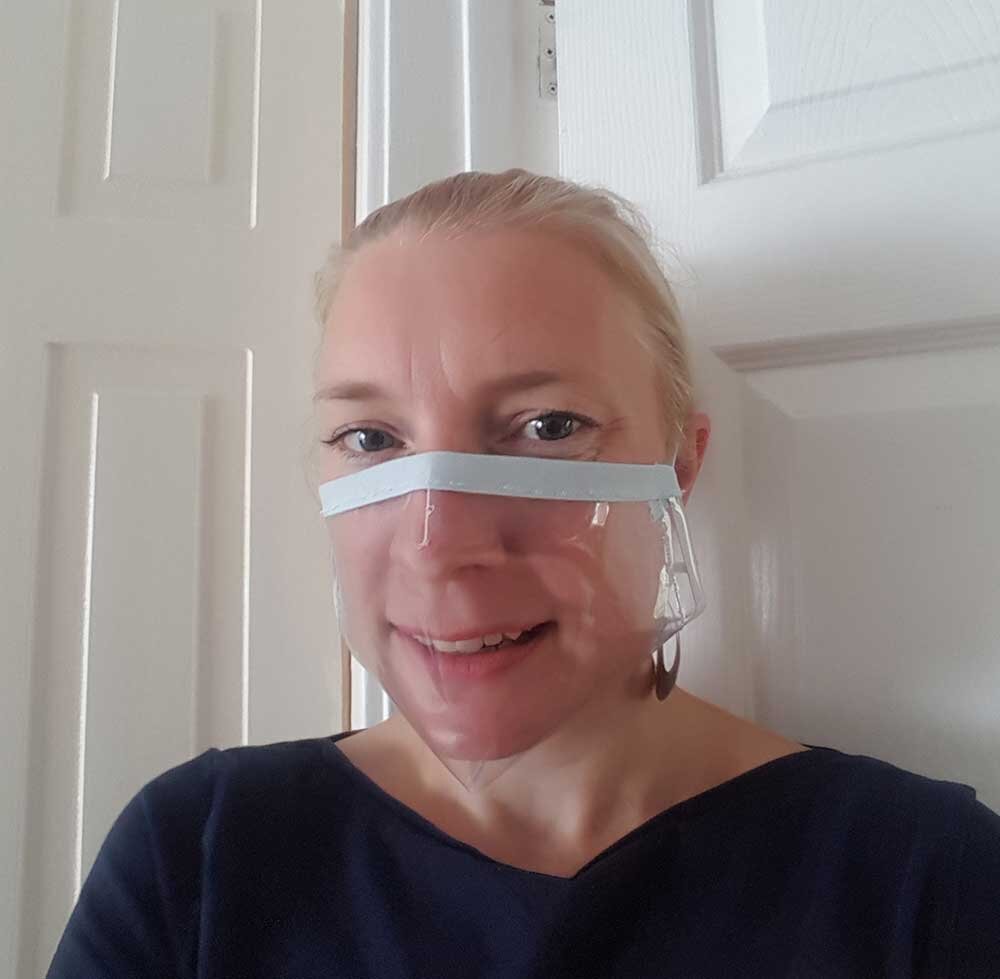
Here’s a handy guide to making your own transparent face mask by our Director, Eleanor Harris

The vinyl I used comes from a large clear vinyl tablecloth (available from ebay) but you could use another source of clear vinyl.

Use a sewing machine and the small size on the pattern (see download) to edge the vinyl with bias binding at the top and bottom. Then fold over the sides at the same time inserting a length of light elastic to fit the wearer.

Adjust to fit…..

As well as keeping our clients safe, transparent face masks allow them to see how our mouths form words and sounds as we speak to help overcome communication difficulties.

You can stop the mask from steaming up from your breathing by using a cloth to wipe a very thin film of washing up liquid onto the inside of the mask on the area around your mouth. Do this before you put the mask on and be very careful not to use too much, just use a very tiny, pin-prick sized blob and wipe it over.

Disclaimer: This is a face covering, not a surgical mask or filtering N95 mask. It is not designed to be used for any aerosol generating procedures and all professionals should consult their own local PPE guidelines.

*This pattern is for personal use only and its reproduction or commercial use is prohibited.